
Stephen King famously advises aspiring writers to “read a lot and write a lot.” It’s a mantra that’s been passed around endlessly in writing circles, and for good reason—it’s excellent advice. But, true to my nature, I’d like to do what I do best: overanalyze it.
When you break it down, this advice points to two critical aspects of a writer’s life: creating art and consuming art. Together, they form a cycle that fuels creativity and sustains inspiration. But what happens if the balance tips too far in one direction?
If you create more than you consume, you risk burning out, your creative well drained dry. If you consume far more than you create, you may feel stagnant, overwhelmed, or even intimidated by the sheer volume of art in the world. It’s a delicate dance, one that every creative person has to navigate.
The Balance of Creation and Consumption
The big question is: How much? When? And what kind of art?
To start, I think it’s vital to expand our definition of “art.” Reading and writing are, of course, essential for writers. But great writing doesn’t happen in a vacuum. Inspiration often comes from unexpected places, whether it’s fine art, film, photography, crafting, or hobbies that stretch far outside your comfort zone.
For example, trying your hand at a new creative pursuit can do wonders for your imagination. When we engage with art just for fun—without the pressure of results—it recharges our creative batteries. This isn’t about mastering oil painting or becoming a concert pianist; it’s about exploring something new and allowing yourself to play.
If you’re stuck in a creative rut, switching gears can unlock new ideas. When I hit a wall with writing, I turn to my ADHD-powered hyper-focuses. I once became obsessed with trains, dove into researching everything about them, and eventually wrote a book set on a circus train in the 1930s. That side quest turned into a rich creative resource.
How Other Arts Can Fuel Your Writing
Engaging with other art forms can enhance your writing in unexpected ways:
- Painting teaches you about color theory, which can make your descriptions more vivid.
- Photography helps you see and frame settings, enriching your ability to write scenery.
- Cooking sharpens your use of taste and smell, bringing sensory detail to life in your stories.
Even simply consuming art—watching movies, visiting galleries, scrolling Etsy for handmade crafts—can be deeply inspiring. The key is to keep comparison and scarcity mindsets at bay. Someone else’s art doesn’t diminish your own. There’s room for you, for your stories, and for your unique voice.
The Third C: Connection
Creating and consuming art is only part of the equation. To keep your creative spark alive, you also need connection.
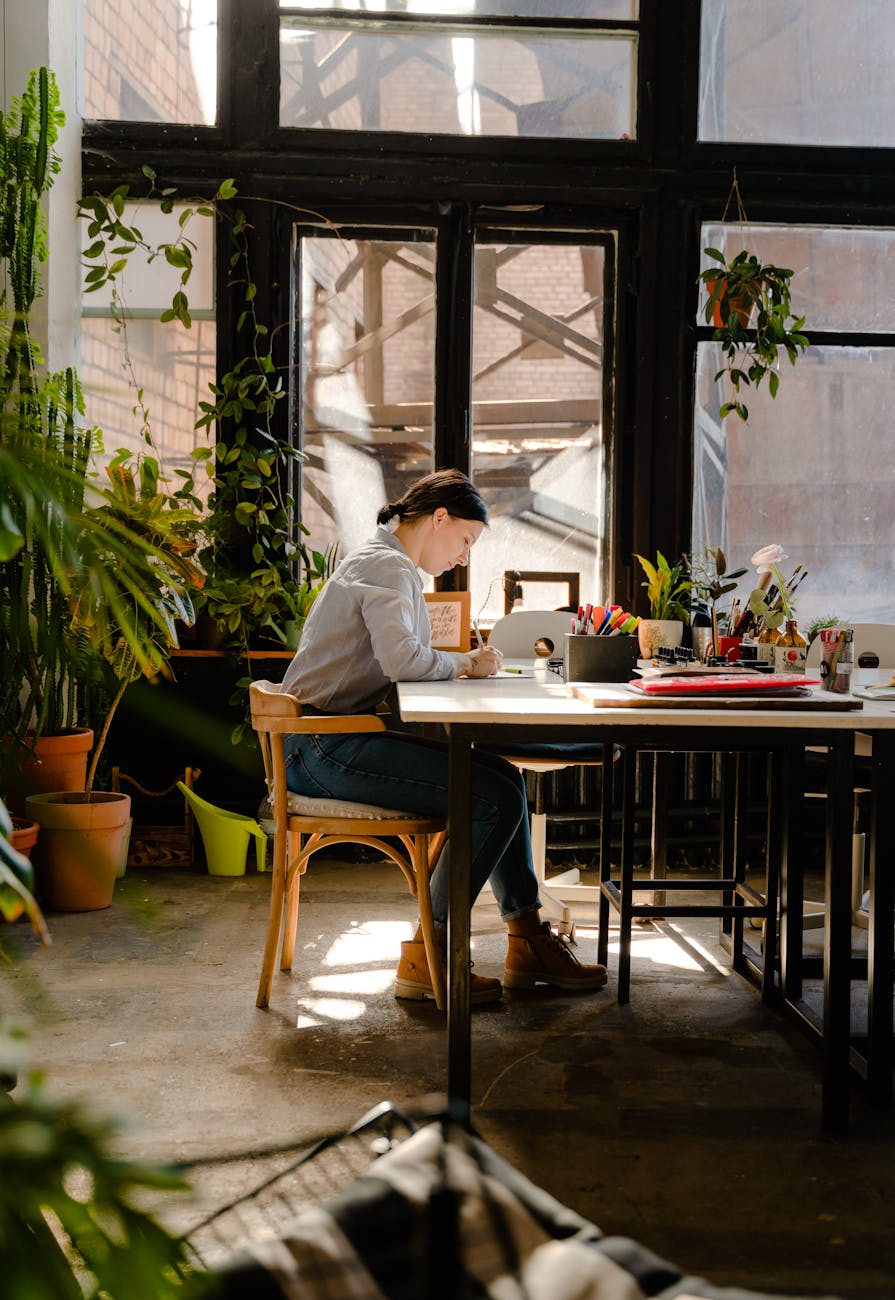
Creativity thrives in community. Sharing your passions with others, learning from their perspectives, and celebrating their successes can sustain the excitement you need to keep going. Whether it’s a book club, a local art group, a class, or even an online community for cross-stitching enthusiasts, connecting with like-minded people energizes your creative process.
The Takeaway
If you’re feeling stuck, sluggish, or uninspired, try this three-pronged approach:
- Consume art that sparks joy—watch a favorite show, visit an art gallery, or press some fall leaves.
- Create something just for fun—knit a wonky dishcloth, make paper from your recycling, or doodle in a sketchbook.
- Connect with others—invite a friend to join your creative escapades or share your latest inspiration with a group.
Creativity isn’t a solitary journey. It’s a vibrant, messy, and deeply human experience. So read a lot, write a lot, and don’t forget to explore, experiment, and share along the way. You might just discover that balance is the secret ingredient to unlocking your full creative potential.

 ALLISON MARTIN
Leave a comment